Protecting water — sustaining communities

       What is rainwater harvesting?
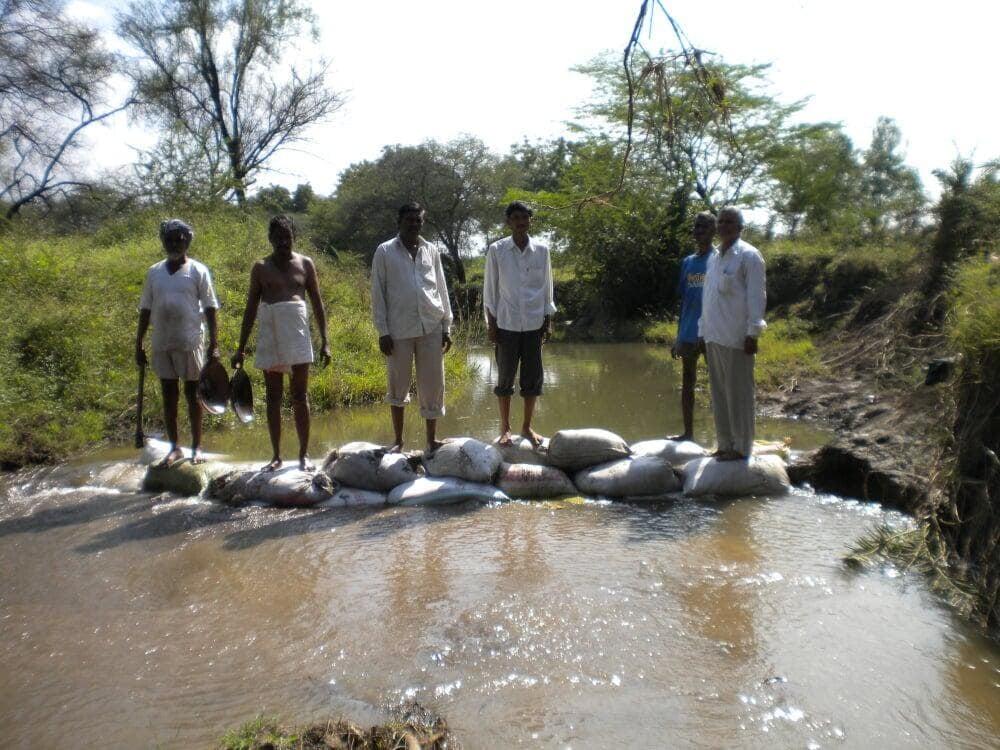
       Rain water harvesting is the simple, ancient practice of Collecting and storing rain that falls on rooftops, pavements or open land. instead of letting this precious water run off into drains or evaporate, it is captured, filtered and used for drinking, cooking, bathing, handwash, toilet flushing, laundry, and irrigation.
       "Once inch of rain on a 1,000 sq ft roof can yield over 600 gallons of water"- U.S. environmental protection agency (EPA)
Rainwater Harvesting
We design rooftop and landscape catchment systems, storage tanks and recharge features so communities and schools can retain seasonal rainfall for year-round use.
Sanitation Awareness
Behavior-change workshops, school WASH curricula, menstrual hygiene management (MHM) training and low-cost toilet upgrades to reduce disease and improve dignity.
School Workshops
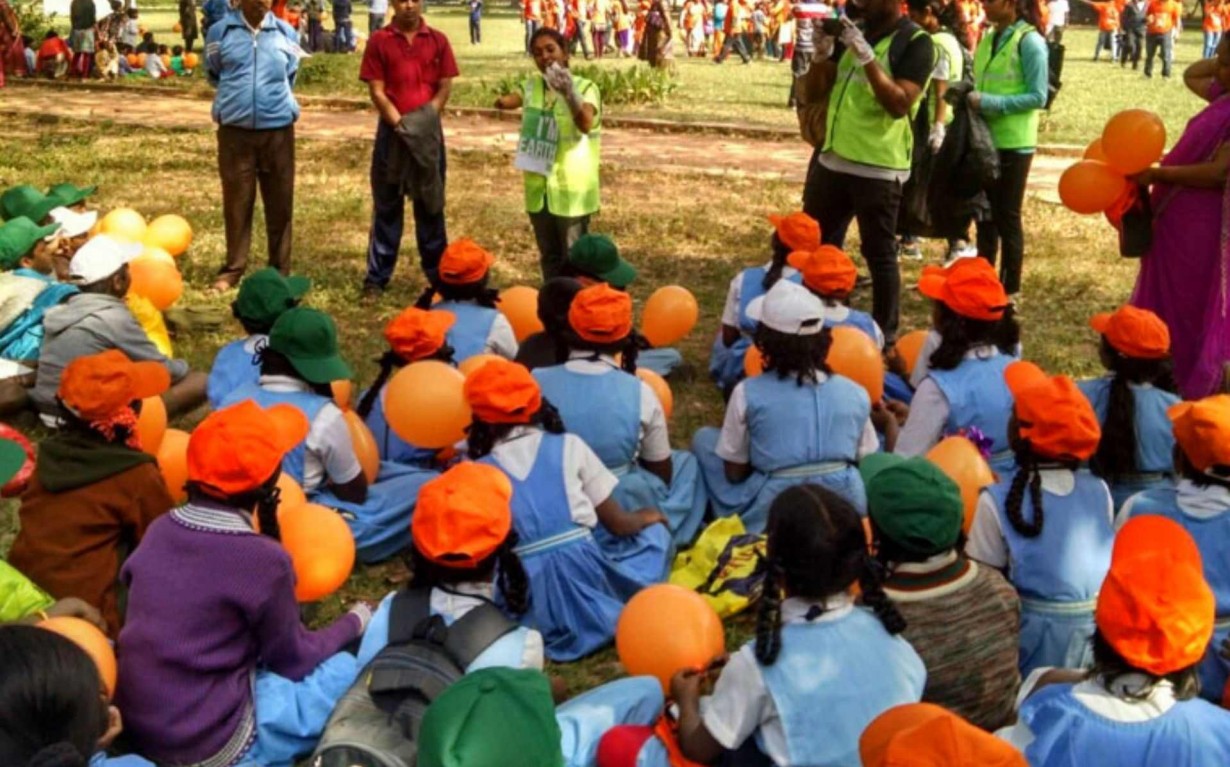
Hands-on sessions at schools — pupils learn to build simple harvesting models, measure rainfall, and carry out hygiene campaigns that multiply benefits across families.
Upcoming News & Updates
- 📢 Feb 2026: Launching new rainwater tanks in rural schools.
- 🌧️ March 2026: Community workshop on rooftop harvesting — registrations open.
- 🏫 April 2026: Hygiene awareness campaigns in 20+ schools.
- 📊 May 2026: Release of our water quality monitoring report.
still lack safely managed drinking water services (recent global monitoring).
lack safely managed sanitation services — highlighting urgent need for school & community sanitation.
unsafe water and poor sanitation contribute to disease, missed school days and lost livelihoods.
Sources and further reading (select recent authoritative resources): UN SDG 6 overview; WHO/UNICEF Joint Monitoring Programme (JMP) and progress reports; review literature on rainwater harvesting and UNESCO case studies. Links included below for research and deeper reading.
- UN: SDG 6 overview — water & sanitation
- WHO: Drinking-water (fact sheet)
- MDPI review: Rainwater harvesting research (bibliometrics)
- UNESCO: Pembamoto rainwater harvesting case
How you can help
Volunteer with our school workshops, sponsor a village tank, or support monitoring equipment. Simple actions — like teaching water-safe storage and building a rooftop gutter + storage barrel — can reduce waterborne disease and build climate resilience.